

Virgin Hair vs. Chemically Processed Hair: What's the Real Difference?
Not all human hair is created equal. In today's wig and hair extension market, two terms come up more than any others: virgin hair and chemically processed hair. Both are technically 100% human hair, yet the two differ noticeably in shine, durability, and overall feel. This article from HQ Hair breaks down what each type really means, so you can choose the option that best fits your needs.
Why Does the Difference Between Virgin Hair and Chemically Processed Hair Matter?
When researching wigs or hair extensions, many customers stop at the label "100% human hair" without realizing there are several distinct grades within that category. That's exactly why two products can both be marketed as "human hair," yet come with noticeably different price tags and wear experiences.
The core difference comes down to this: has the hair retained its original natural state (virgin hair), or has it gone through chemical treatments that altered its color or texture (chemically processed hair)? Understanding this distinction helps you not only choose a product that fits your budget, but also set realistic expectations for how it will hold up and look over time.
1. What Is Virgin Hair?
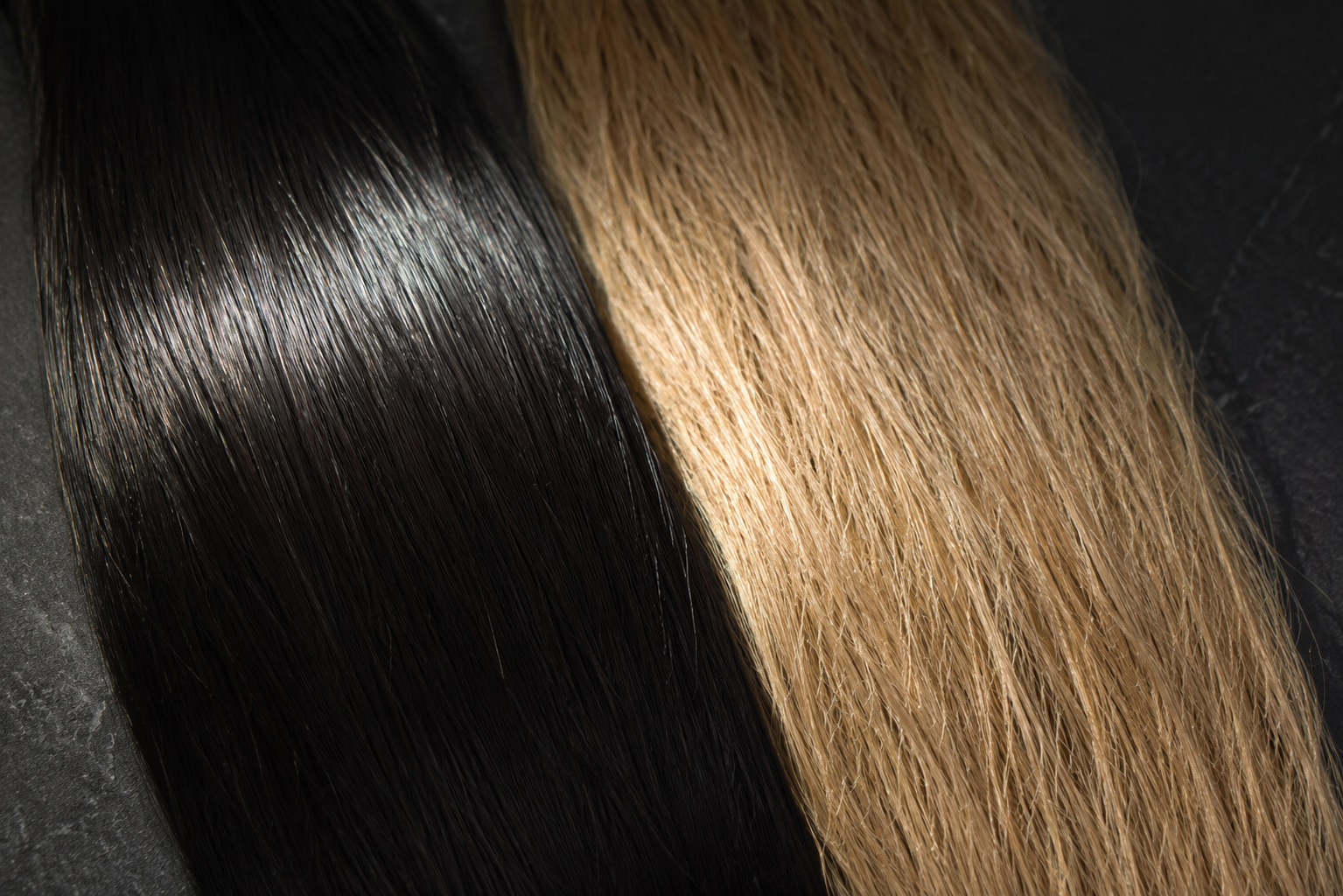
Virgin hair is human hair that has never undergone any chemical treatment — no dyeing, no perming, no bleaching, no chemical straightening. It's collected directly from hair donors and retains its natural state from color to strand structure, exactly as it was.
Key Characteristics of Virgin Hair
- An intact cuticle layer — the outermost protective layer of the strand, essential for natural shine and tangle resistance
- Strands aligned in one direction — consistently from root to tip, which helps prevent twisting and tangling during use
- Original, natural color — never altered by dye or bleaching agents
- High natural elasticity — since the strand structure hasn't been broken down by chemical treatment
Because it preserves all of these natural qualities, virgin hair is generally regarded as the highest-tier grade within the 100% human hair category.
2. What Is Chemically Processed Hair?
.png)
Chemically processed hair is human hair that has gone through one or more chemical treatments to alter its original color, curl pattern, or texture — such as dyeing, bleaching, perming, or chemical straightening.
Key Characteristics of Chemically Processed Hair
- A cuticle layer worn down to varying degrees — depending on how intensively and how often the hair was treated
- Texture that may be altered — subtly or significantly, depending on the chemicals and process used
- Color that has been adjusted — no longer reflecting the strand's original natural tone
- Reduced elasticity in some cases — as chemical treatment can affect the protein structure within the strand
Chemically processed hair is still genuinely 100% human hair — the difference is simply that it's been technically treated at the raw material stage to offer a wider range of colors or styles from the outset.
3. A Side-by-Side Look: Virgin Hair vs. Chemically Processed Hair
🔹 Chemical Treatment
- Virgin Hair: Has never undergone any chemical treatment
- Chemically Processed Hair: Has been dyed, bleached, or permed/straightened with chemicals
🔹 Cuticle Layer
- Virgin Hair: Intact, with scales aligned in one consistent direction
- *Chemically Processed Hair: May be worn down or unevenly aligned, depending on the level of treatment
🔹 Color
- Virgin Hair: Retains its original, natural tone
- *Chemically Processed Hair:* Has been adjusted to order (dyed, lightened, etc.)
🔹 Natural Shine
- Virgin Hair: High, thanks to the intact cuticle layer
- Chemically Processed Hair: Generally lower, depending on the extent of chemical treatment
🔹 Durability Over Time
- Virgin Hair: More durable under comparable usage conditions
- Chemically Processed Hair: May wear out faster if it's been treated multiple times
🔹 Price
- Virgin Hair: Typically higher
- Chemically Processed Hair: Typically more affordable
🔹 Best Suited For
- Virgin Hair: Those who prioritize a natural look and long-term use
- Chemically Processed Hair: Those who need a specific color or style right away
This side-by-side comparison makes one thing clear: neither type is universally "better" — each simply suits a different need. Virgin hair is the better fit for anyone prioritizing a natural look and maximum longevity, while chemically processed hair can be a smart choice when working with a tighter budget or when you need a specific color that virgin hair doesn't naturally offer.
4. Why Does the Cuticle Layer Matter So Much?
Any real discussion of the difference between these two hair types has to address the role of the **cuticle**. This is the layer of microscopic scales covering the outside of each strand, and its job is to protect the inner core of the hair.
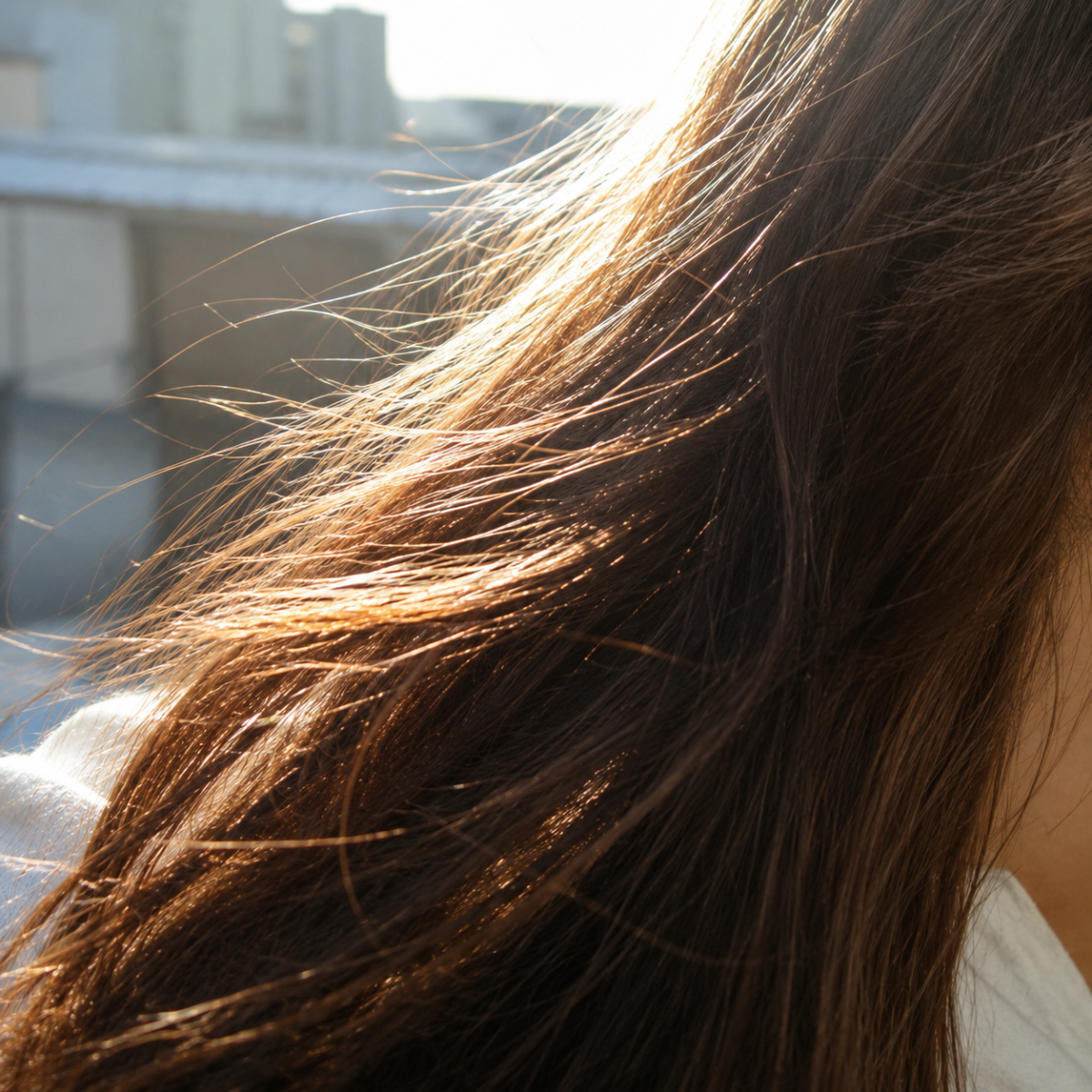
When the cuticle is intact and aligned in one direction — as it is in virgin hair — light reflects evenly across these scales, creating that distinctive natural shine. At the same time, uniformly aligned scales help prevent strands from catching on one another, reducing tangling during everyday wear.
By contrast, when hair goes through chemical treatment, the cuticle can become worn down or damaged to varying degrees, depending on the type of chemical used, the duration of treatment, and the skill involved in applying it. This is precisely why chemically processed hair — while still genuinely human hair — typically doesn't match virgin hair in shine or durability.
5. Should You Choose Virgin Hair or Chemically Processed Hair?
The right choice between the two comes down to your specific needs:
Virgin hair is likely the better fit if you:
- Want a product built for long-term durability
- Prioritize a natural look and healthy, natural shine
- Plan to dye or style the hair yourself later on (since virgin hair, being untreated, still has "room" to be customized to your liking)
- Are willing to invest more in a premium-grade product
Chemically processed hair may be worth considering if you:**
- Need a specific color or style right away, without further treatment
- Are working with a tighter budget but still want genuine human hair
- Need something for shorter-term use, where maximum durability isn't a priority
6. Frequently Asked Questions
.png)
Is virgin hair always better than chemically processed hair?
Not necessarily. Virgin hair generally offers greater durability and natural shine, but whether it's "better" really depends on your specific needs. If you need a particular color that virgin hair doesn't offer, chemically processed hair remains a perfectly reasonable choice.
How can you tell if a product is genuinely virgin hair?
The most reliable way is to choose a product from a brand with a transparent, well-documented sourcing and selection process. In terms of look and feel, virgin hair typically has natural shine, tangles less, and holds its shape better over time.
Can virgin hair be dyed or styled at home?
Yes, though it's worth researching the right technique carefully before doing so, since any chemical treatment applied afterward will affect virgin hair's original, natural structure.
7. Conclusion

Understanding the difference between virgin hair and chemically processed hair helps you make a choice that better fits your needs, budget, and expectations — rather than relying on the broad, often misleading label "100% human hair." Each type has its own value, and neither is universally superior in every situation.
At HQ Hair, we're always transparent about the material grade of every product we offer, making it easy for customers to choose the hair type that truly fits their needs.
👉 Reach out to HQ Hair today for personalized guidance on choosing the right hair type for you.
+84 389 023 690