


Choosing the right hair extensions involves more than finding an attractive color or style. For professional salons, hair extension brands, wholesalers, and distributors, product construction and quality directly influence the final result and customer satisfaction.
Product photos can show the general appearance of hair extensions, but they cannot tell you everything about how a product feels, performs, or fits a client's needs.
Before placing your next order, here are five essential factors to consider when choosing hair extensions: base construction, density, weight, texture, and finish.
The base is one of the first things to examine when choosing hair extensions. It determines how the hair is attached and influences the installation method, discretion, and overall comfort of the product.
Different extension types feature different base constructions. Tape-in extensions use adhesive strips, while weft extensions have hair secured along a stitched or bonded edge. K-tip extensions use keratin bonds to attach individual strands to natural hair.
When evaluating the base, consider three important factors:
Thickness: A slim attachment area can help create a discreet appearance.
Flexibility: The base should suit the intended installation method and move comfortably with the hair.
Construction quality: Check for consistent edges, secure attachment, and visible irregularities.
For professional stylists, the right base depends on their preferred installation techniques and their clients' needs. For wholesale buyers, consistent construction across products is equally important because it helps maintain predictable results across repeat orders.
Before purchasing, ask your supplier for close-up photos or videos of the base rather than relying solely on full-product images.
Density refers to how much hair is present and how evenly it is distributed throughout an extension. It affects the overall volume, the appearance of the ends, and how naturally the extensions blend with the client's hair.
Two products may look equally full in photographs but appear different when examined in person. Lighting, camera angles, styling, and the way the hair is arranged can all influence perceived fullness.
When checking density, pay attention to:
Hair distribution: Is the hair distributed evenly throughout the product?
End fullness: Do the ends provide the coverage and appearance you expect?
Consistency: Does the density match the supplier's stated specifications?
Natural blending: Will the extension blend with the client's natural hair without an obvious difference in volume?
For clients seeking a fuller look, extensions with fuller ends may be preferable. Others may want a lighter, more natural appearance that blends seamlessly with their existing hair.
For wholesalers and distributors, it is important to establish clear density expectations before ordering. Ask your supplier how the product grade is defined and whether the same standards can be maintained across different batches.
Remember that density should be evaluated alongside length and weight. A photograph alone cannot reliably establish the actual amount or distribution of hair in a product.

Weight is a practical consideration for both individual customers and wholesale buyers. It helps determine how much hair is supplied and how many pieces, bundles, or sets may be needed for a particular application.
However, more weight does not automatically mean better quality. The appropriate amount depends on the extension type, hair length, desired fullness, and installation method.
Before purchasing, check the following:
Weight per unit: Confirm whether the stated weight refers to one piece, one bundle, a pair, or a complete set.
Quantity: Check how many pieces are included in the package.
Length: Longer extensions may require different quantities to achieve the desired appearance.
Application requirements: The amount of hair should suit the intended result and the stylist's technique.
For example, tape-in extensions are often sold by individual pieces or sets, while bulk hair and weft extensions may be purchased by weight. Their specifications should be compared carefully rather than judged by appearance alone.
For B2B buyers, accurate weight information is particularly valuable. It supports inventory planning, product costing, client quotations, and comparisons between suppliers.
Always request clear product specifications before confirming an order. Understanding exactly what you are paying for helps prevent misunderstandings and makes repeat purchasing easier.
Texture plays a major role in how hair extensions look after installation. Even when the color and length are correct, a noticeable difference in texture can make the finished style appear less natural.
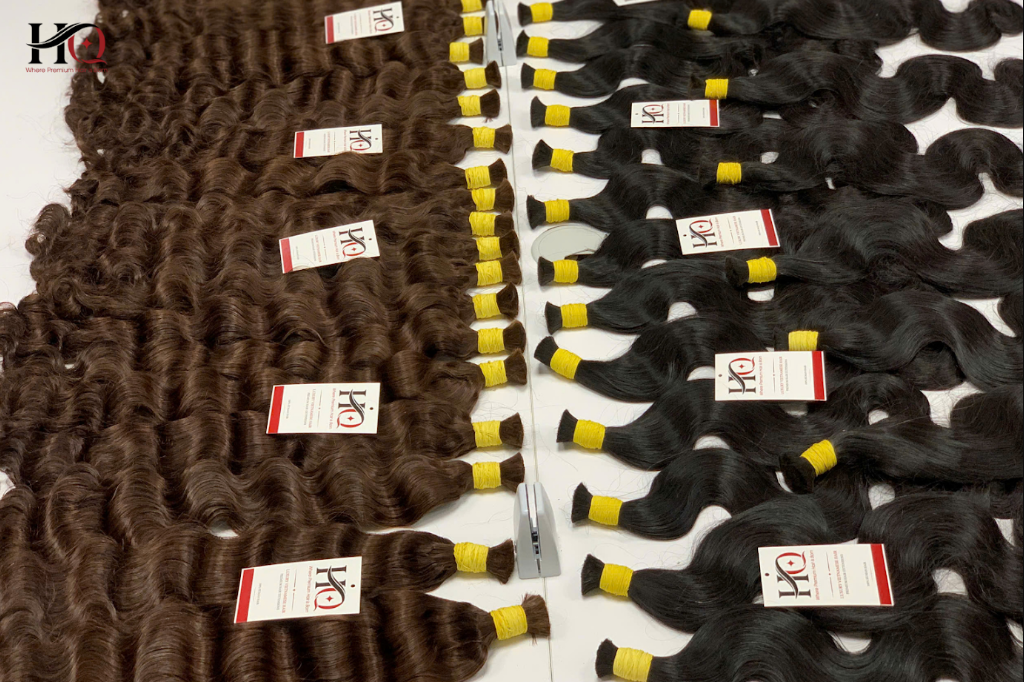
Common options include natural straight, body wave, natural wavy, and curly textures. Each creates a different look and may require a different styling routine.
When choosing a texture, consider:
Natural hair compatibility: Does the extension match the client's existing hair pattern?
Texture consistency: Is the pattern reasonably uniform throughout the product?
Maintenance: Will the client need frequent heat styling to achieve the desired look?
Post-wash appearance: Does the texture remain suitable after washing and air-drying?
It is also worth asking whether the texture is naturally present in the hair or created through processing. This information can help you understand how the product may behave during regular care and styling.
For salons, selecting the right texture helps achieve a cohesive result. For hair brands and distributors, offering suitable texture options can help serve different customer preferences.
Natural straight and natural wavy are versatile options for many styling needs. However, the best choice depends on your target market, customer expectations, and the styles your business specializes in.

The finish refers to the overall appearance and feel of the hair extensions, including smoothness, shine, movement, and end quality.
A product may look beautiful in a professionally styled photograph but feel different when handled. Examining real products is therefore important when assessing quality.
Look closely at these details:
Smoothness: Does the hair feel smooth without excessive roughness?
Shine: Does it have a natural-looking shine rather than an overly coated appearance?
Cuticle alignment: Where applicable, are the cuticles aligned in the same direction to help reduce tangling?
End quality: Do the ends match the specified grade and desired fullness?
Movement: Does the hair move naturally rather than appearing stiff?
For colored or lightened hair extensions, also consider the condition of the hair after processing. Ask for real product photos or videos and, when possible, request a sample to assess its feel and manageability after washing.
No single visual detail can guarantee long-term performance. The finish should be considered alongside the hair's construction, specifications, processing history, and care requirements.
For wholesale buyers, agreeing on quality standards before production can help create clearer expectations and support consistency across future orders.
Choosing hair extensions becomes easier when you look beyond the product photo and evaluate the details that affect the final result.
Base construction, density, weight, texture, and finish each provide useful information. Together, they help you understand whether a product suits your installation method, customer expectations, and business requirements.
At HQ Hair Factory, we supply 100% Vietnamese human hair for professional salons, hair extension brands, wholesalers, and distributors. Our product range includes bulk hair, tape-in extensions, weft extensions, K-tip, I-tip, and other hair extension options.
Whether you are developing a new product line or looking for a factory-direct wholesale partner, our team can help you explore suitable lengths, colors, textures, and product specifications.
Looking for a hair extension supplier for your business?
Contact HQ Hair Factory to discuss your requirements and explore wholesale options.
Website: https://hqhair.com.vn/
Start with five factors: base construction, density, weight, texture, and finish. These help you evaluate how the product is made, how full it looks, how much hair you receive, how naturally it blends, and how it looks and feels.
No. Weight indicates the amount of hair supplied, not its overall quality. Construction, hair condition, density, and consistency with the stated specifications also matter.
Request detailed specifications, real photos and videos, and samples when possible. Evaluate construction, texture, finish, and performance after washing. Agree on measurable quality standards before confirming a bulk order.
Consistent specifications help businesses deliver predictable customer experiences, manage inventory more effectively, and maintain confidence in repeat orders.
No. Photos are useful for an initial assessment, but they cannot fully demonstrate weight, texture, construction, or performance after washing. Product specifications and physical samples provide a more complete evaluation.
+84 389 023 690